In public perception, the European and American markets are generally considered to have higher purchasing power than other markets and place relatively higher demands on product quality. Of course, high standards also apply to everyday essentials such as stainless steel cutlery. However, even within the European and American markets, there are significant differences among countries and regions in terms of design aesthetics, material selection, and procurement standards for stainless steel cutlery. Based on years of export experience, the following is an analysis of procurement preferences in the mainstream European and American markets.
1. North American Market
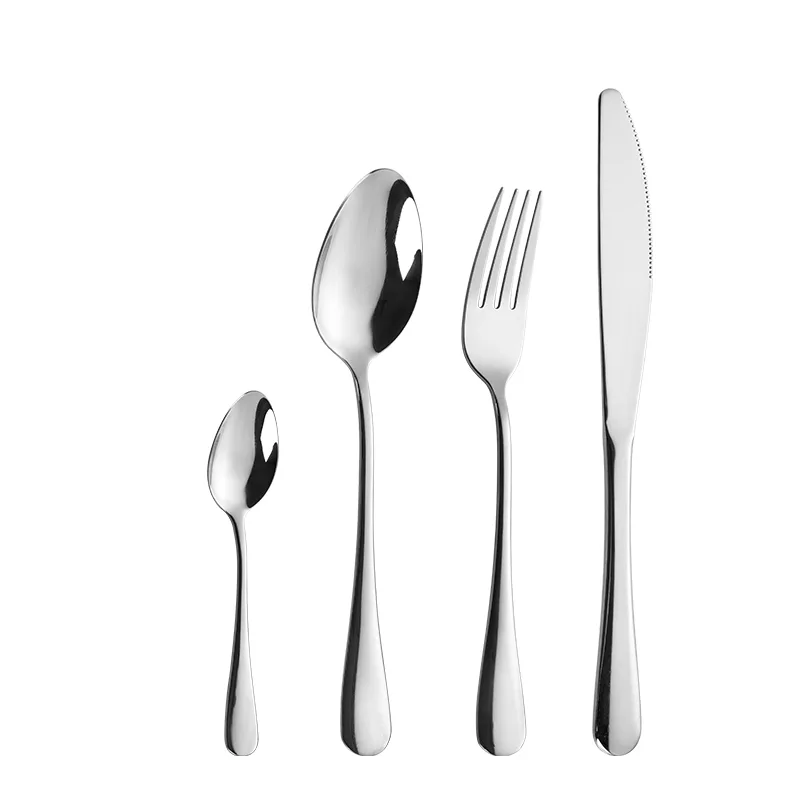
North American consumers and buyers place greater emphasis on practicality and product quality, generally preferring tableware styles that are elegant, substantial, and durable. U.S. customers are particularly concerned with the feel in the hand and generally favor knives and forks with elongated, thick handles and reinforced steel bodies; they are highly averse to flimsy, lightweight, and cheap-looking designs. Supermarkets and other mass-market channels mostly opt for cost-effective, mirror-polished 430 stainless steel basic models with straight handles, while mid-to-high-end channels—such as home goods retailers and holiday gift markets—generally specify 304 (18-8) food-grade stainless steel, and products must be FDA-certified for food contact. The U.S. market prioritizes practicality; simple, basic designs and professional-grade, thick-bladed steak knife and fork sets are perennial bestsellers, whereas intricately engraved designs struggle to achieve high sales volumes.
The Canadian market shares similar aesthetics with the U.S. but leans more toward a relaxed, Nordic minimalist style. Cutlery with a matte finish and low-saturation color schemes is more popular. At the same time, local consumers place great emphasis on environmental sustainability; simple, minimalist packaging and reusable cutlery are more likely to command a premium in the market, while aesthetic design is not the primary focus when making purchasing decisions.
2. Western European Market
Market demand across Western European countries is highly segmented, with each country having different procurement priorities. German customers typically prioritize quality above all else, imposing strict requirements on the stainless steel content, rust resistance, and dishwasher durability of tableware. Compliance with LFGB and REACH certifications is a mandatory requirement for procurement, and high-end commercial and household applications are almost exclusively limited to premium 304 food-grade stainless steel. In terms of style, there is a preference for minimalist, plain-handled designs; basic mirror-finish styles without engravings or unnecessary embellishments dominate the entire market. Styles with flamboyant shapes or bright colors see virtually no market demand. Purchases are primarily bulk repeat orders from hotels and restaurants, with consistent quality being the top priority.
The UK market is more balanced, with modern, minimalist straight-handled styles and soft, vintage-curved designs selling equally well. These pieces suit both everyday home use and formal banquet settings. Consumers prefer complete cutlery sets, including main-course knives and forks, dessert cutlery, teaspoons, and other full configurations. The demand for gift-giving remains stable, and all products must meet REACH compliance standards.
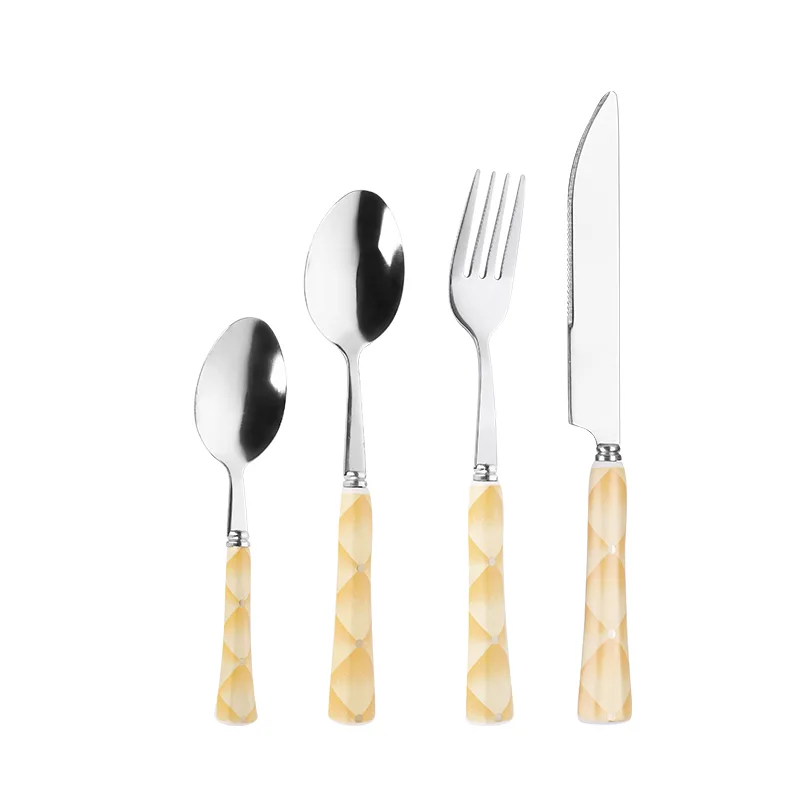
The French market places greater emphasis on the ritual of dining and aesthetic design. In addition to basic, practical minimalist styles, visually striking PVD-coated titanium-plated pieces and exquisite gift box sets are extremely well-received, making France the core market for high-end gift tableware in Western Europe. Local customers have detailed requirements for specialized cutlery, with high order volumes for items such as fish knives, butter knives, and dessert forks; they prefer complete, meticulously curated Western-style cutlery sets.
3. Southern European Market
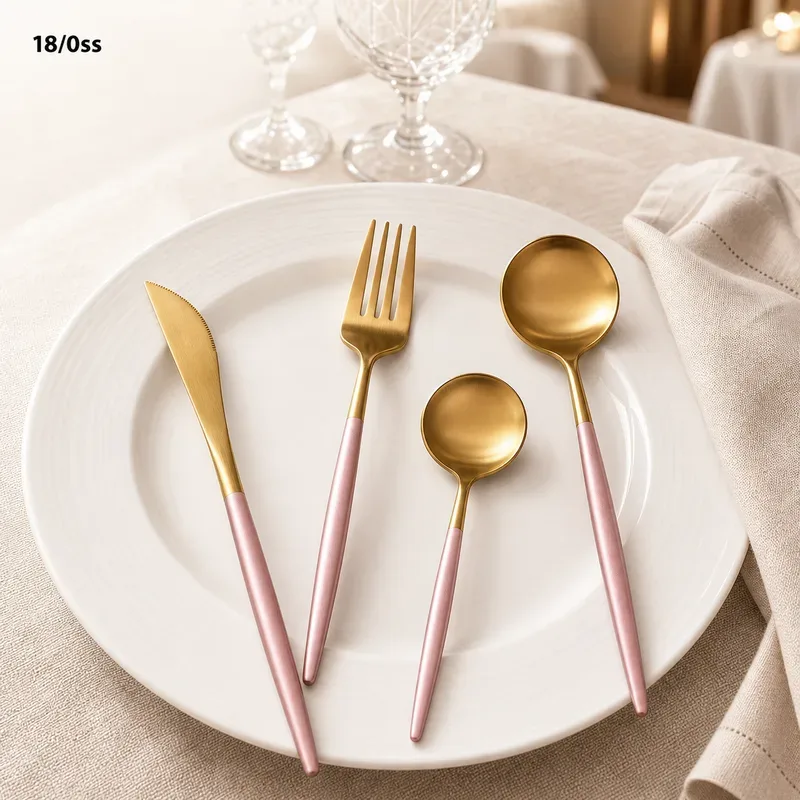
Consumers in Southern European countries such as Italy, Spain, and Portugal have a high degree of aesthetic openness and seek a refined atmosphere. Unlike the extreme minimalism of Northern Europe, locals prefer cutlery designs with subtle curves and a slightly vintage texture. This understated design avoids appearing ostentatious and instead enhances the overall quality of the dining experience. Among these, tableware in “light luxury” titanium-plated finishes—such as gold and rose gold—have become regional bestsellers. They are widely suitable for home decor, holiday gifts, and wedding favors, with gift sets accounting for a very high proportion of orders.
4. The Nordic Market
Nordic countries such as Sweden, Norway, Denmark, and Finland set the global trend for minimalist home aesthetics, and this philosophy extends to tableware selection, which adheres to the core principles of understated simplicity, practicality, and versatility. Compared to traditional, eye-catching mirror-polished cutlery, matte finishes are more sought after, and low-saturation, sophisticated color palettes—such as gunmetal black, charcoal gray, and light sandy gold—consistently rank among the bestsellers year-round. Local residents have a strong environmental consciousness and firmly reject excessive packaging and single-use items, prioritizing recyclable, reusable, and low-carbon stainless steel cutlery. They place particular emphasis on REACH environmental compliance, material traceability, and eco-friendly production certifications. In terms of design, they prefer clean lines and light, minimalist silhouettes, rejecting heavy, bulky, or overly ornate styles. The focus is on understated elegance, durability, and versatility, making these pieces a perfect fit for diverse settings such as minimalist homes, luxury-chic bed-and-breakfasts, and casual outdoor dining.
Overall, there is no universal “blockbuster product” that works across European and American markets; only by understanding local consumer habits and precisely matching the needs of local buyers can you increase order conversion rates.
Need OEM/ODM Flatware Support?
Share your product type, finish, material and quantity requirements. Our factory team will help with quotation and catalog support.

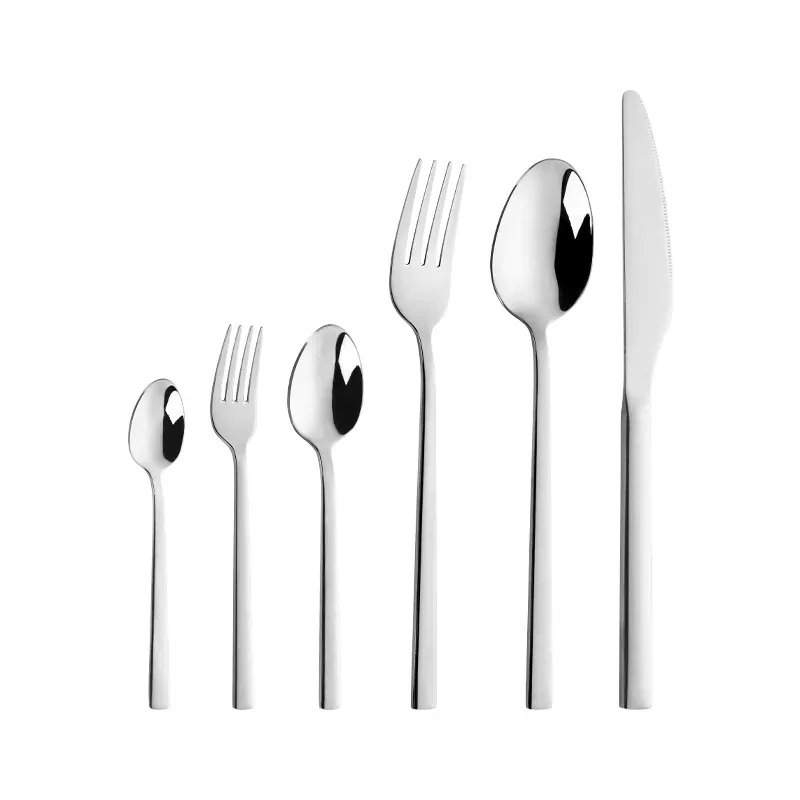
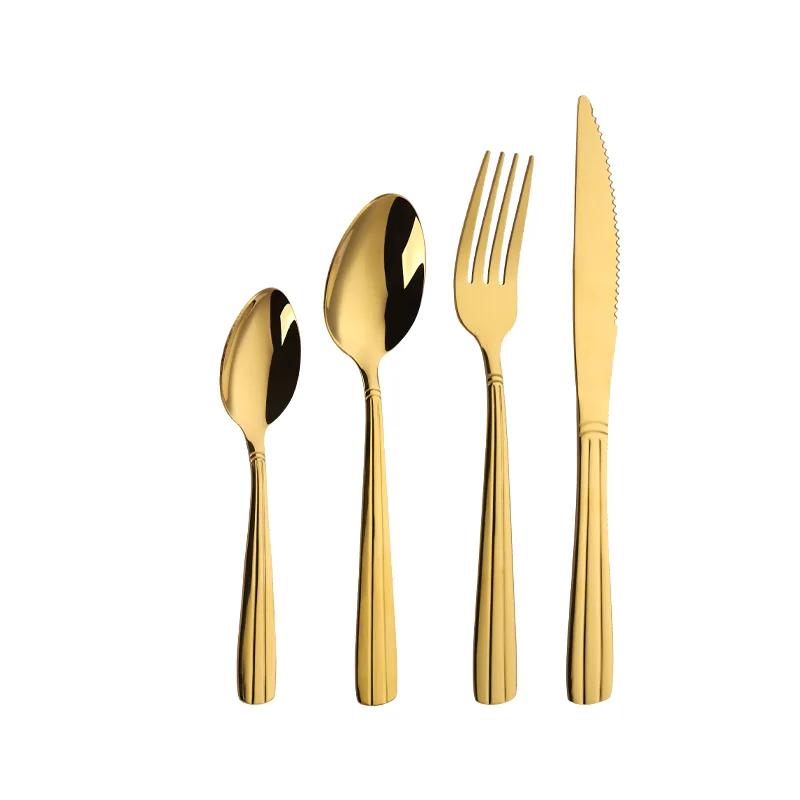 Jieyang Factory PVD Gold 4 Pieces Stainless Steel Cutlery Set
 16 Pcs Vibration Polished Stainless Steel Cutlery Set
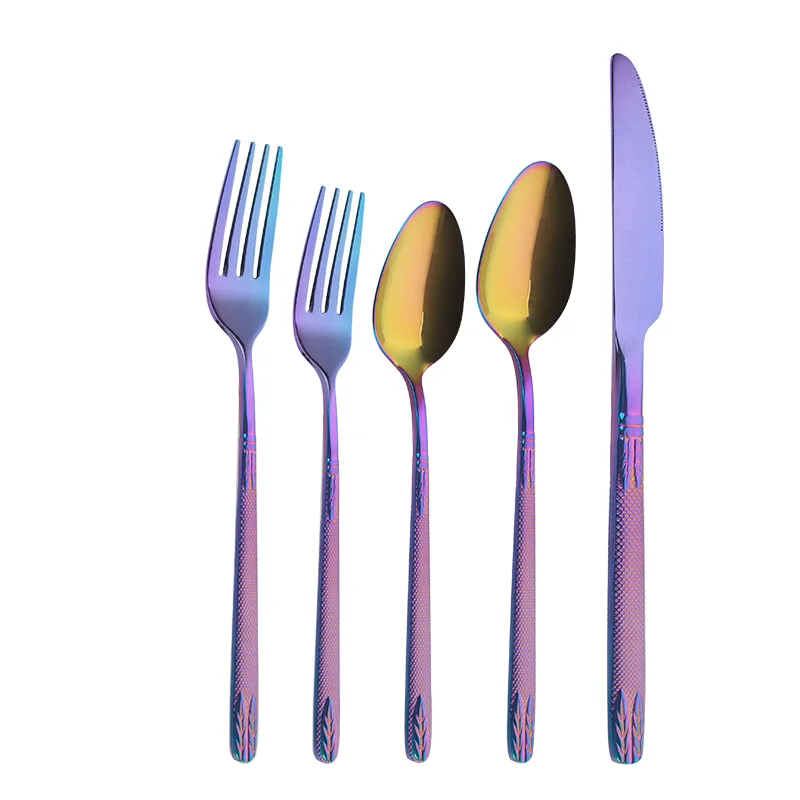 20PCS PVD Rainbow Colored Stainless Steel Cutlery Set
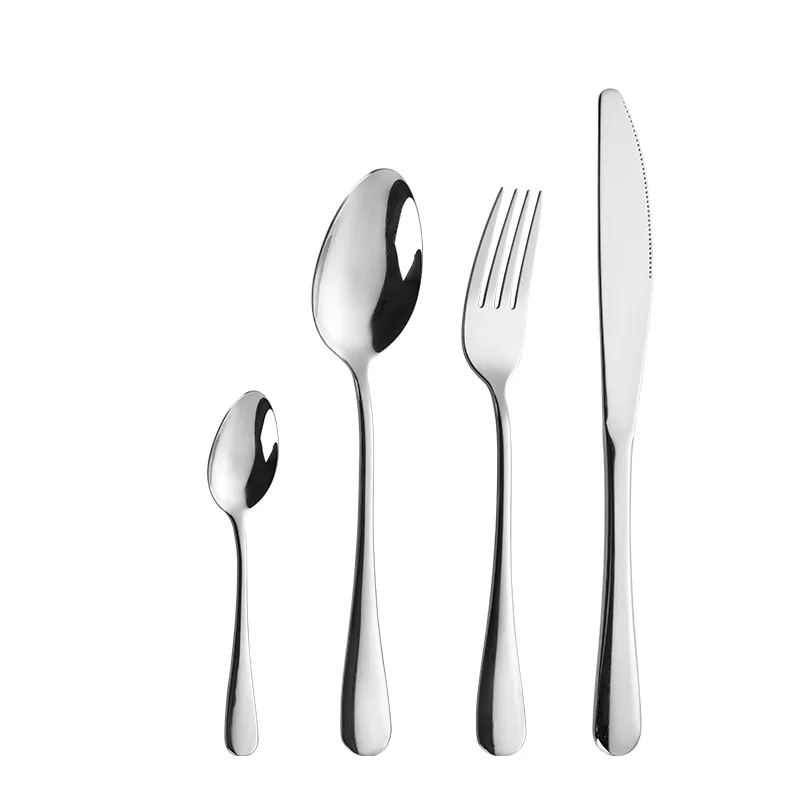 Classic 24pcs Silver Stainless Steel Cutley With Cheap Bulk Price