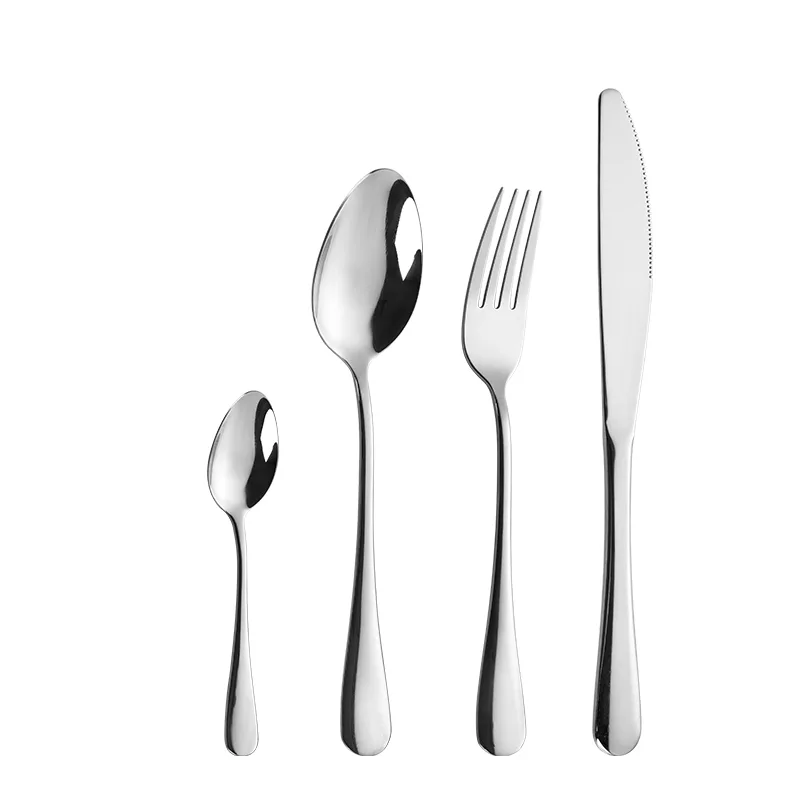
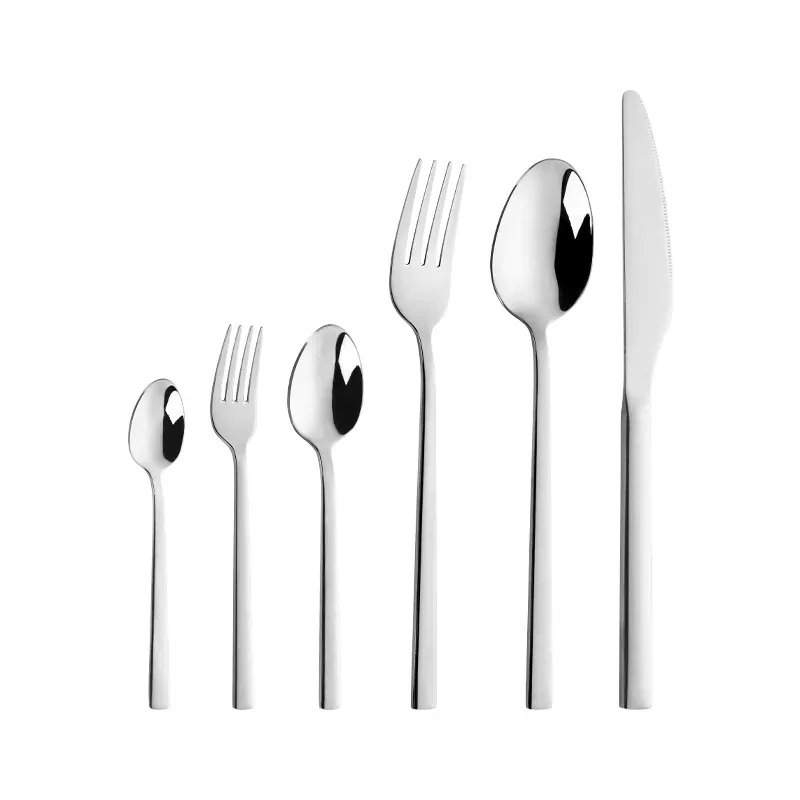
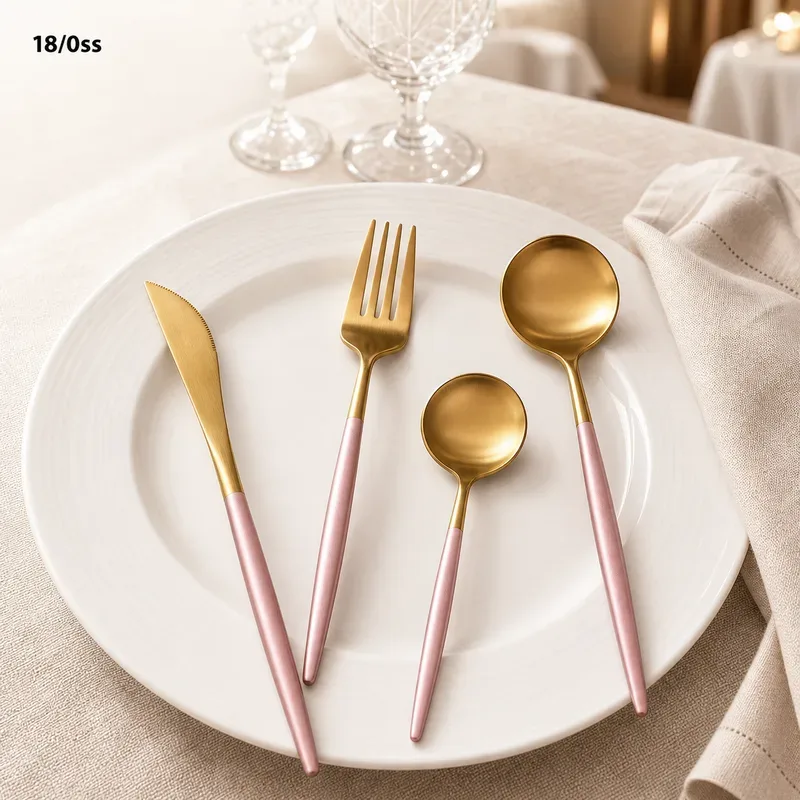
Ceramic-handled stainless steel cutlery wholesale from Jieyang factory is widely recognized for its sleek, modern appearance. Yet many buyers and consumers share a common concern: how durable are they really? Will the handles loosen over time? Will the color fade? Could they crack easily if dropped?
Today, we’ll break this down clearly by examining two key factors: joining technology and glaze hardness.
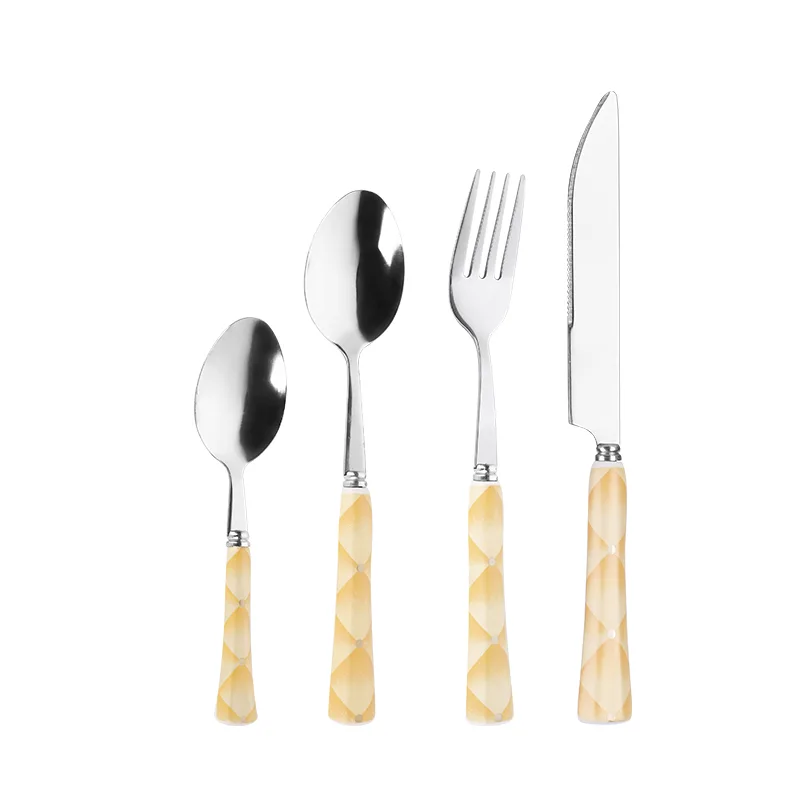
Joining Technology: The Key to Preventing Loosening
How ceramic handles are attached to metal tines directly determines the product’s lifespan. Currently, there are two main connection methods on the market: adhesive bonding and slot-lock design.
Adhesive bonding is the most common and low-cost method. A hollow hole in the ceramic handle is filled with epoxy resin, into which the metal connector is inserted and left to cure. This process seems simple, but it carries significant risks. Research has shown that “if the amount of curing agent in the epoxy resin is insufficient, the ceramic body may easily detach from the metal; if too much is added, excess curing agent may leak out.” More critically, this type of adhesive melts during high-temperature sterilization above 90°C, causing the handle to detach.
In contrast, the more reliable method is the "slot-lock design." As some product descriptions state, “the connection between stainless steel utensils and ceramic handles uses a slot-lock mechanism, ensuring stronger, more durable attachment without loosening.” This structure, combined with high-temperature sintering, allows metal and ceramic to physically interlock—adhesive serves only as supplementary reinforcement.
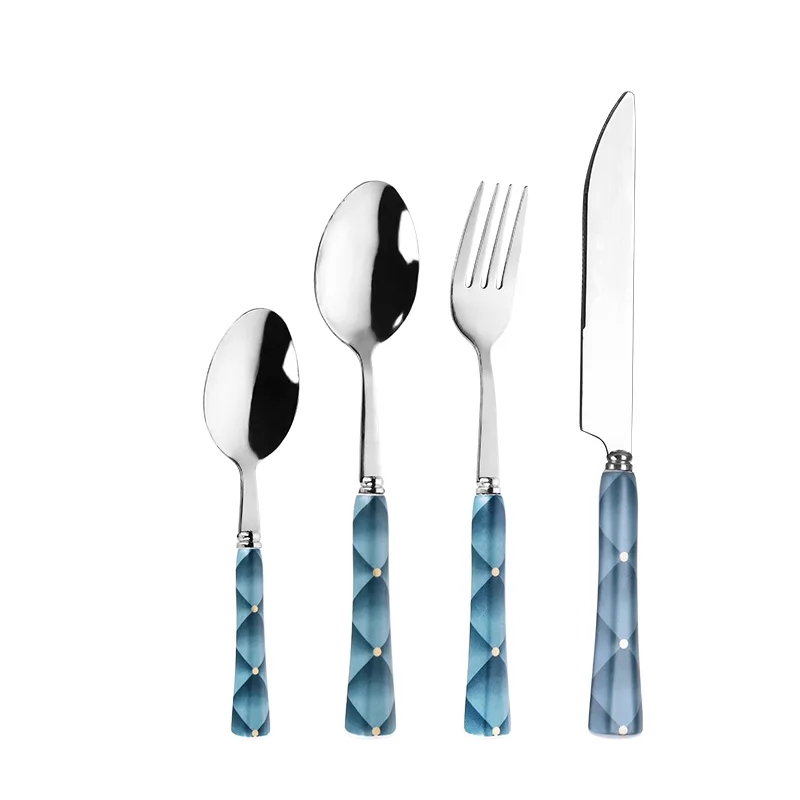
Another often-overlooked issue is the seal at the joint. If there are gaps between the handle and metal components, juice or moisture can seep in during daily use. Over time, this may lead to mold growth, yellowing, or even handle loosening. One user shared their experience: “If the gap between the ceramic handle and metal part is poorly sealed—such as using glue instead of high-temperature sintering—it easily traps dirt and bacteria. Always check whether the joint is smooth and tightly sealed when purchasing.” A simple test: run your finger along the seam—if you feel noticeable steps or gaps, proceed with caution.
Glaze Hardness: The Key to Scratch Resistance
Another hidden indicator of ceramic handle durability is glaze hardness—the surface’s ability to resist scratches.
Glaze hardness isn’t mystical; it’s measured by standardized laboratory tests. Studies show that optimized formulations can achieve a maximum hardness of Hv720 (Vickers hardness), sufficient to withstand repeated scratching without visible marks. High-hardness glazes maintain their shine and new look over time, while lower-hardness glazes quickly develop fine scratches, significantly reducing luster.
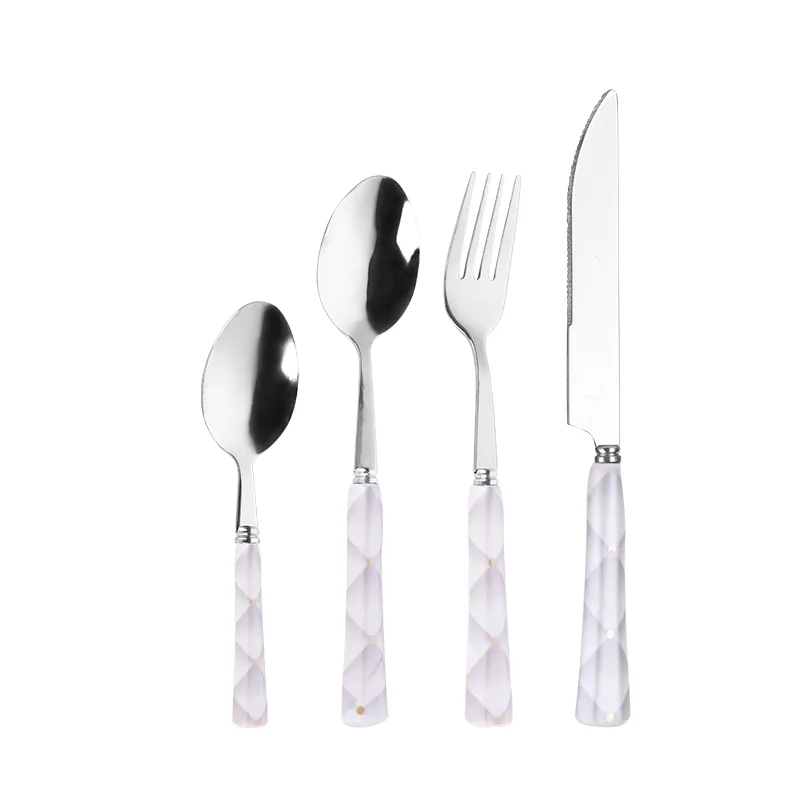
The core factor affecting glaze hardness lies in the glaze formulation. A crucial distinction is between feldspathic glaze and lime glaze. Feldspathic glaze offers exceptional chemical stability and strong resistance to acids and alkalis, making it less likely to discolor or leach harmful substances when exposed to acidic foods. Lime glaze, however, has weaker acid and alkali resistance and can be eroded by citric acid. When purchasing, ask your supplier: What type of glaze is used? Is there a food-contact safety test report available?
The Truth About "Brittleness"
When discussing ceramics, the topic of fragility inevitably arises. But it's essential to distinguish between "ceramics" and "zirconia ceramics"—two entirely different materials.
Traditional ceramic handles of the flatware set manufactured in Chinese factory are indeed fragile. However, there’s also a higher-end alternative: zirconia ceramic cutlery. Made through sintering at temperatures exceeding 1500°C, this material boasts a hardness rating of 9—second only to diamond—and has been known to survive drops from over three meters onto concrete without breaking. That said, zirconia ceramics are far more expensive than conventional ceramics and are typically reserved for premium cutlery and a select few high-end tableware products—not standard procurement items.
Practical Buying Tips
Check the joints: Run your fingers over the area where the handle meets the metal. Smooth, tight fit is a basic requirement. If you feel any steps or gaps, move on to another supplier.
Confirm the glaze type: Ask the supplier whether they use feldspar glaze or other types, and request a food-contact safety test report.
Test with destructive samples: Simulate extreme conditions—soak in hot water, run through the dishwasher, scrape with a knife—on sample pieces. This is far more reliable than any verbal assurances.
Need OEM/ODM Flatware Support?
Share your product type, finish, material and quantity requirements. Our factory team will help with quotation and catalog support.

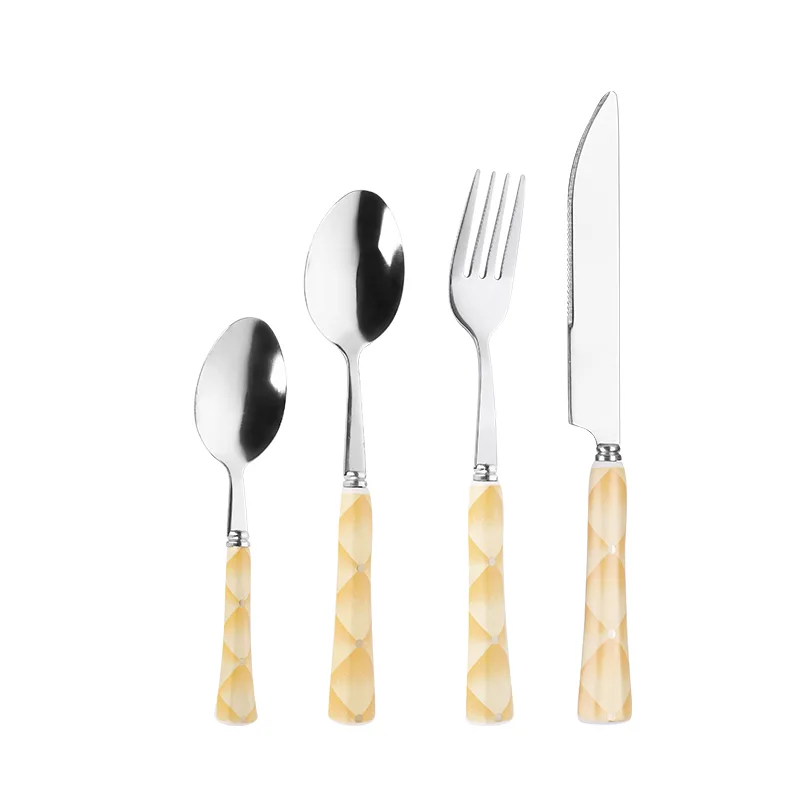
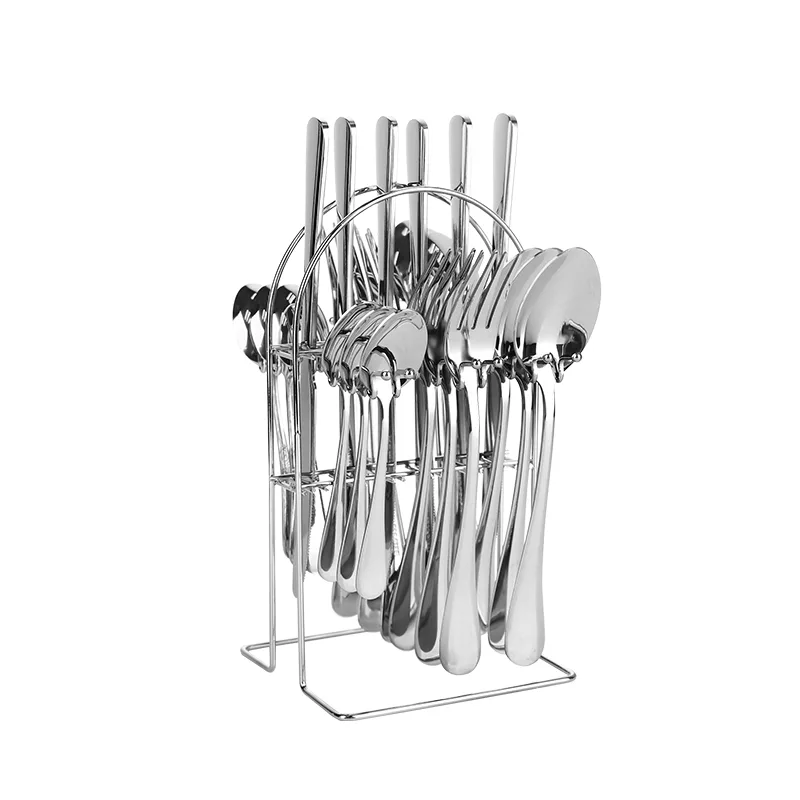 Classic 24pcs Stainless Steel Silver Cutlery Set with Metal Rack
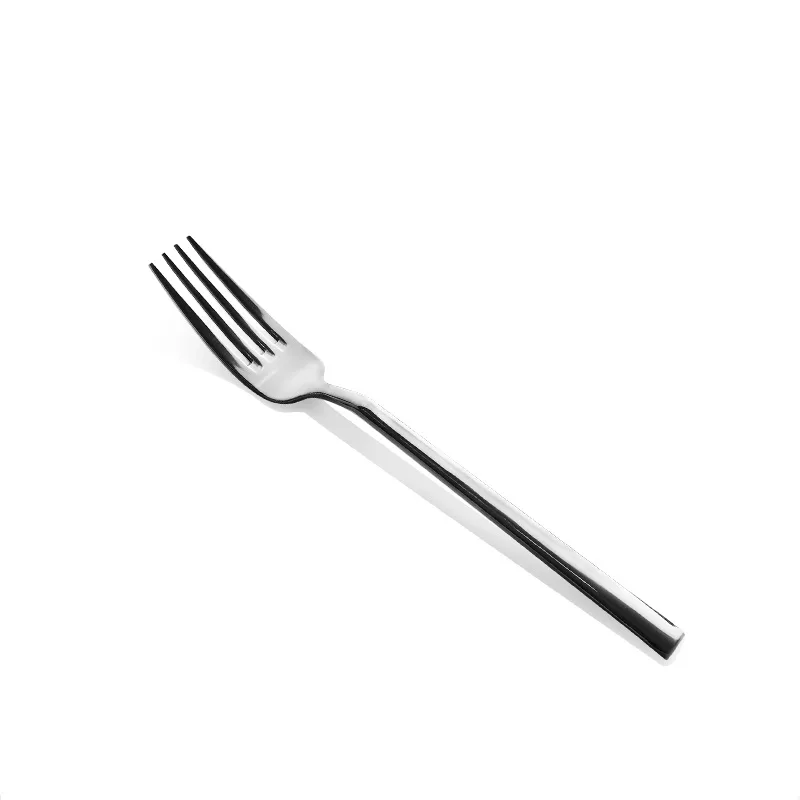 Classic Hot Selling Silverware Stainless Steel Dinner Fork
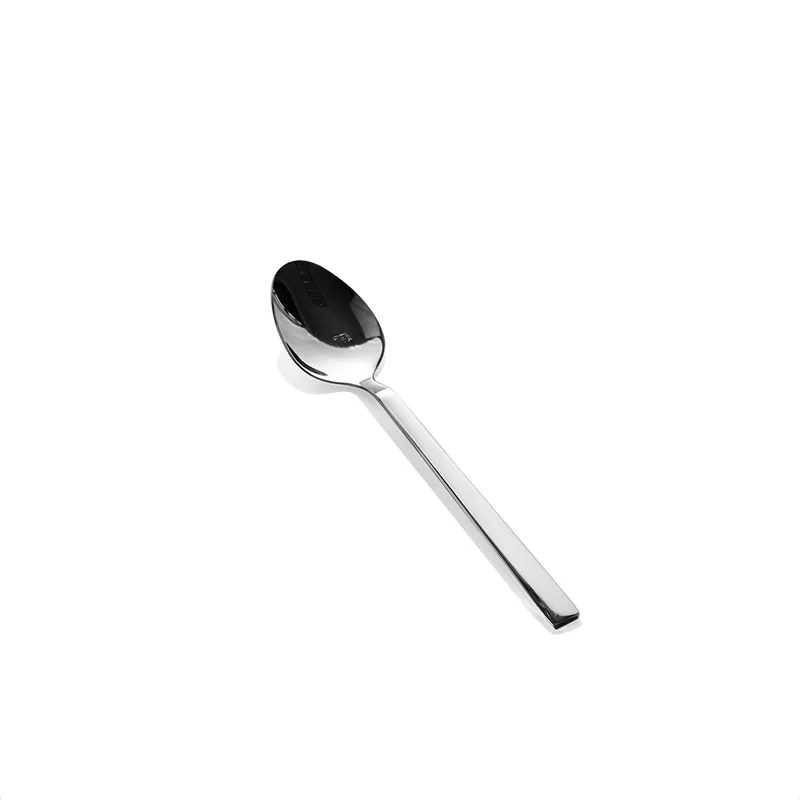 Mirror Polished Stainless Steel Tea Spoon SM055TS
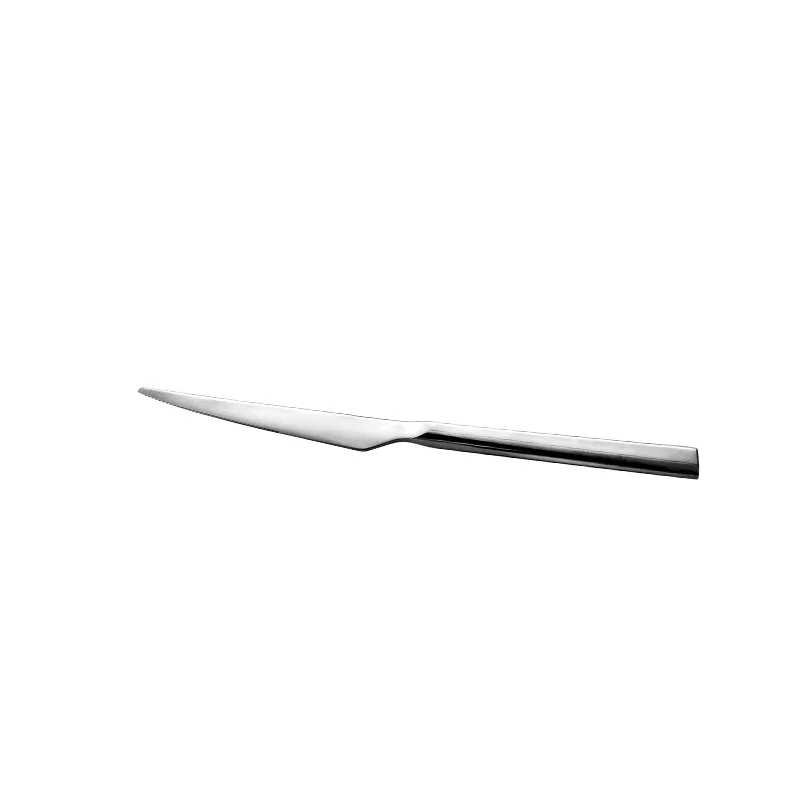 Stock Universal Stainless Steel Steak Knife for Wholesale